Eighteen Minutes Before the Feature: The Quiet Return of the Opening Short
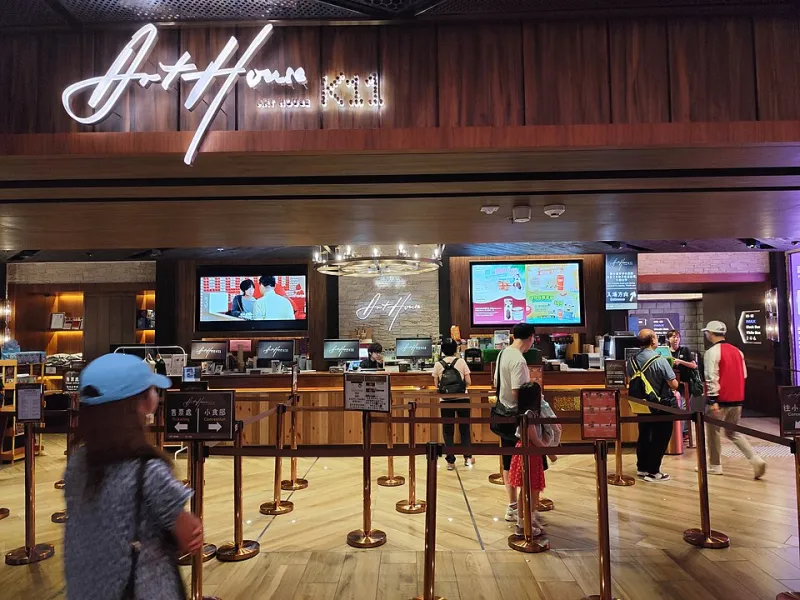
Photo: LAWITAK Wingoam JPA, CC0, via Wikimedia Commons
The Loft Cinema in Tucson runs a Tuesday night slot that has no business working. At 7 p.m. the house is maybe two-thirds full — normal for a documentary about water rights in the Southwest — and then, before the feature, a fourteen-minute short about a woman who has been measuring a single well for thirty years. No trailers. No pre-roll. Just the short, then a beat of black, then the movie everybody paid for.
Nobody checks their phone. That's the part that keeps surprising the programmers I've talked to.
The Slot Nobody Was Booking
Shorts didn't used to be niche. In the studio era they were the warm-up act, the cartoon, the two-reeler — a whole economic ecosystem built around the idea that you don't open cold. Then the blockbuster era flattened the bill, the multiplexes trimmed to twenty minutes of trailers, and shorts got exiled to festivals, where they were watched by other filmmakers and nobody else, and to streaming, where they were watched by nobody at all.
What's happening now is a small, unglamorous correction. Repertory houses, regional art cinemas, and a handful of ambitious single-screen theaters are putting shorts back in front of features — not as a gimmick, not as a festival sidebar, but as a regular part of the program. The Hollywood Theatre in Portland has done it. The Belcourt in Nashville. Coolidge Corner, the Brattle, the Guild in Albuquerque, Tampa Theatre, the Pickford up in Bellingham. It's not a movement with a manifesto. It's a bunch of programmers independently deciding that a twenty-minute runway makes the feature land harder.
What Programmers Actually Want (It Isn't Your Laurels)
Ask a programmer what makes a good opener and you'll get a version of the same answer: it has to feel like it belongs in the same evening as the feature without imitating it.
"I'm not looking for a trailer for the short," one Midwest programmer told me. "I'm looking for something that shares a temperature with the main film. Same weather, different room."
In practice that means tone-matching, not genre-matching. A quiet, observational short in front of a loud thriller can work if the contrast is deliberate. A zany comedy short in front of a grief drama almost never does — the audience's shoulders are in the wrong place and it takes ten minutes of the feature to reset them.
Runtime is the other hard filter. Under fifteen minutes is the sweet spot; under twelve is a gift. Eighteen is a negotiation. Twenty-five is a no, and it's a no because of the bar schedule, the staff hours, and the simple fact that the audience's patience for a short is not infinite — it's a loan, and you're paying it back with the first ninety seconds.
Premiere status matters less than you'd think outside of fest-circuit programming. What matters more: does the short have a local hook? Was it shot in the state? Is the director within driving distance for a Q&A? A theater that can advertise "shot in this city, filmmaker here tonight" will book a technically rougher short over a polished one with no story attached.
The Technical Handshake
This is where more submissions die than anywhere else, and it's entirely preventable.
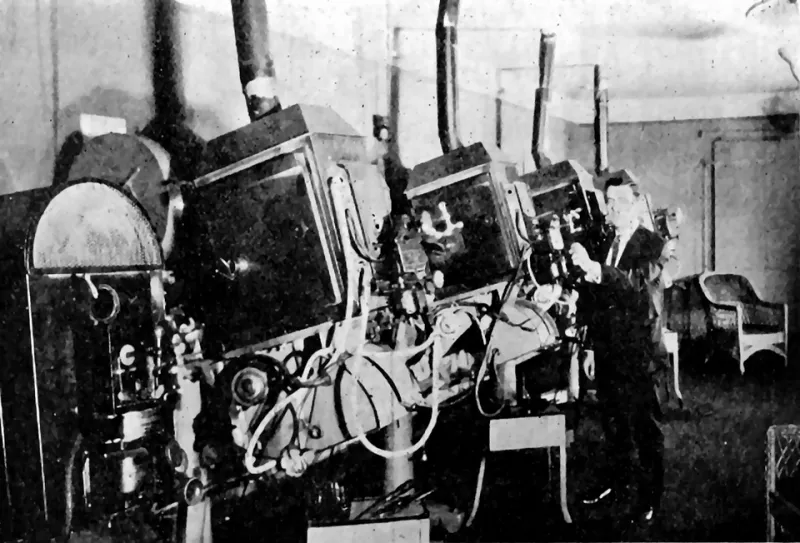
Most art houses are running DCP now, but plenty still project ProRes, and a stubborn beloved few still run 35mm for repertory — which means your short, if it's part of a 35mm show, needs to be a separate digital source and somebody has to flip the changeover. That's a real cost in staff attention. Know what the room runs before you pitch it.
What programmers ask for, roughly in order:
- A clean head and tail. No distributor cards, no laurel animation, no "official selection" montage. Two seconds of black at the top, two at the bottom.
- A mix that won't blow out the room. If you mixed for headphones, fold it down and listen on a theater system. A short that peaks hot in the first ten seconds will get you remembered for the wrong reason.
- Subtitles as a separate file, not burned in, unless the theater tells you otherwise.
- A backup ProRes alongside the DCP.
- Delivery a week out, minimum. Not the afternoon of.
And send a proper tech spec sheet with your aspect ratio and frame rate. It sounds tedious. It is tedious. It's also the difference between your film playing and your film being the reason a screening started eleven minutes late.
Why the Audience Is Leaning In
Trailers have trained people to look away. Twenty minutes of upcoming releases is twenty minutes of being sold to, and audiences have adapted by treating it as lobby time. A short does the opposite: it asks for attention and then gives something back in the same sitting.
There's also the discovery math. Nobody in that room knows who made the thing they're watching. There's no marketing, no stars, no algorithm — just the work. That's a rare feeling in a theater in 2026, and it's why the post-screening chatter at the bar keeps circling back to the short instead of the feature.
How to Make the Ask
Don't send a press kit. Send a paragraph.
Runtime, logline, one link with a password that works, and a specific reason you're writing to this theater. Mention that you're local, or that you'd come for a Q&A on your own dime, or that you noticed they're running a series your short would fit inside. Ask what their delivery specs are before you ask for a date. Then be patient, and be a regular — the programmers who book shorts are the same people who notice who shows up on a Wednesday night in February.
The Long Game
The opening slot isn't a distribution strategy. It's a relationship, and relationships compound. The filmmakers getting booked twice are the ones who delivered clean files, showed up, shook hands, and didn't treat a fourteen-minute curtain-raiser like it was a step down from a festival.
It isn't. It's a room full of strangers, in the dark, paying attention. That's the whole job.