Happening Where independent cinema comes alive

Happening

Where independent cinema comes alive

Latest Articles

A Thousand Watches, Zero Algorithm: How Letterboxd Gives Shorts a Second Life
Opinion

A Thousand Watches, Zero Algorithm: How Letterboxd Gives Shorts a Second Life

Letterboxd was built for diaries, not distribution deals, but it has quietly become the most cinephile-friendly discovery engine a short film could ask for. Here’s how lists, reviews, and honest community participation are turning forgotten shorts into cult favorites—and how filmmakers can join in without acting like a billboard.
Captions Before Color: Designing Accessibility Into the First Cut
Craft & Technique

Captions Before Color: Designing Accessibility Into the First Cut

A new wave of micro-budget short filmmakers is treating open captions, audio description, and accessible Q&As as creative decisions rather than last-minute fixes. Here is how captioners, programmers, and directors are making it work without a studio budget — and what to build into your 2026 festival submission.

Cold Open, Not Cover Letter: The Hundred-Word Statement That Gets You Read
Craft & Technique

Cold Open, Not Cover Letter: The Hundred-Word Statement That Gets You Read

Most director's statements read like an apology with a synopsis stapled to it. Here's how to write the hundred words that make a programmer lean in — by treating the statement as the first scene of your film rather than the paperwork around it.

One Roll, Zero Rescues: The Uncut Short as a Director’s Calling Card
Craft & Technique

One Roll, Zero Rescues: The Uncut Short as a Director’s Calling Card

The continuous-shot short is back on the festival circuit, turning micro-budget limitations into white-knuckle cinema. We look at why filmmakers are choosing zero cuts, how they pull it off without a safety net, and what that sweaty, unbroken take says to programmers and audiences.

The Last Thing They See: Directing Your Short Film's End Crawl Like a Scene
Craft & Technique

The Last Thing They See: Directing Your Short Film's End Crawl Like a Scene

You agonized over a two-frame trim and then dropped your credits into a default template at 2 a.m. Title designers and festival programmers on why the end crawl is the final scene of your short — and how to direct it on a micro-budget before the 2027 submission window opens.

The Acetate Advantage: Why Micro-Budget Filmmakers Are Falling Back in Love with 16mm
Craft & Technique

The Acetate Advantage: Why Micro-Budget Filmmakers Are Falling Back in Love with 16mm

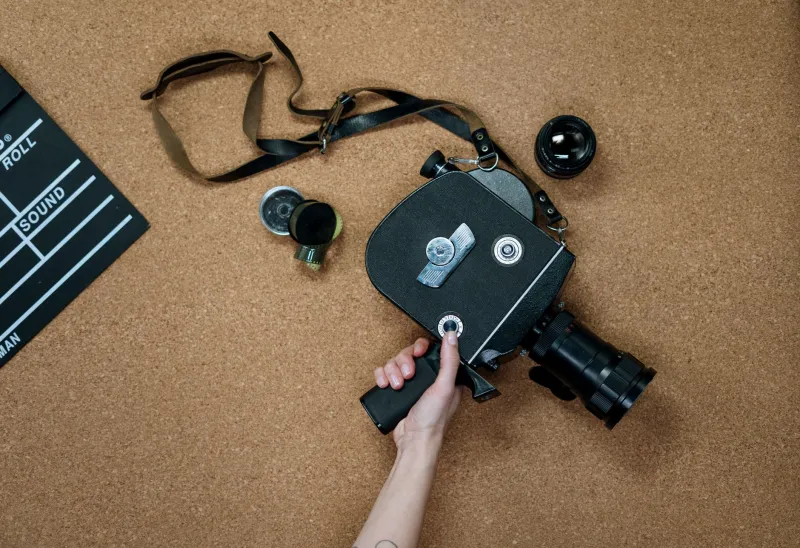
Forget the mirrorless arms race. A growing crew of short filmmakers is loading actual film into actual cameras — and finding that the limitations of 16mm might be the best creative hack they’ve ever used.

The Late Block Is a Rite of Passage, Not a Dumping Ground
Opinion

The Late Block Is a Rite of Passage, Not a Dumping Ground

Every festival has that slot: the 9:47 PM screening on a Tuesday, tucked into a room that smells faintly of carpet and coffee. It’s usually where the strangest short lands—and it might be the most honest audience your film will ever meet.

Eighteen Minutes Before the Feature: The Quiet Return of the Opening Short
Craft & Technique

Eighteen Minutes Before the Feature: The Quiet Return of the Opening Short

Art-house houses from Tucson to Portland are slipping local shorts in ahead of the main attraction again — and it's changing how filmmakers think about the slot. Here's how programmers pick an opener, what they need from your file, and why audiences are suddenly leaning forward before the feature even rolls.

Craft & Technique

The Thumbnail Is the New One-Sheet: Designing Short Film Key Art for a Scrolling World

Your short film's first audience is a thumb, not a theater lobby. A practical look at phone-first key art for micro-budget filmmakers in 2026, from title hierarchy and one-image discipline to laurels that do not turn into confetti.

The Last Hundred Feet: Inside the Booth Where Your Short Meets Its Audience
Craft & Technique

The Last Hundred Feet: Inside the Booth Where Your Short Meets Its Audience

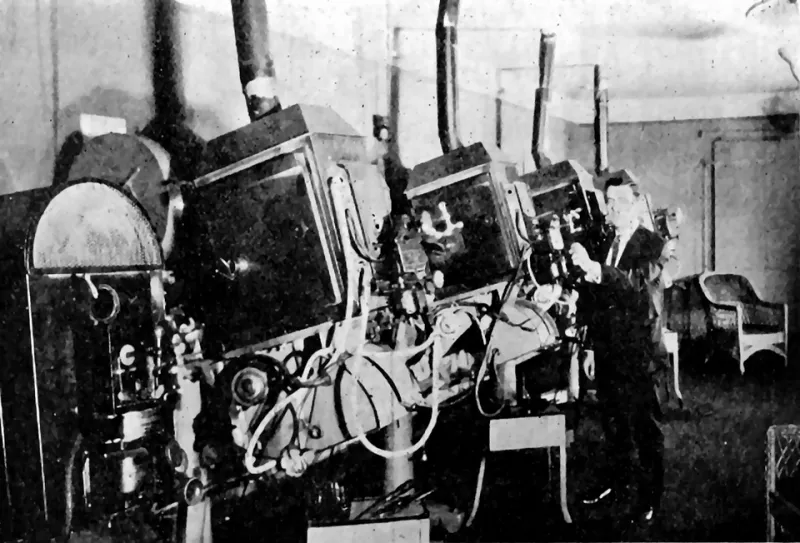
A short film’s final collaborator is often a projectionist with a playlist, a checksum, and twelve minutes to spare. We talked to working booth veterans about DCPs, desperate USB drives, backup rituals, and the small courtesies that keep a screening from turning into lobby whispers.

The Exit Interview You Owe Yourself: A Post-Festival Debrief That Actually Works
Craft & Technique

The Exit Interview You Owe Yourself: A Post-Festival Debrief That Actually Works

The applause fades, the folding chairs get stacked, and most filmmakers drive home with nothing but a warm feeling and a half-empty water bottle. Here's the case for treating the forty-eight hours after a screening as the most productive part of your festival run — with a checklist you can run the morning after.

Book the Elks Lodge: The Case for Premiering Your Short Where Nobody Works in Film
Opinion

Book the Elks Lodge: The Case for Premiering Your Short Where Nobody Works in Film

The festival circuit is not the only opening night your short can have. In 2026, the smartest premiere might be in a single-screen town cinema, a university auditorium, or a rented community hall where the audience knows your name and has no professional reason to be polite.

House Lights, Open Heart: The Festival Q&A as Second Act
Opinion

House Lights, Open Heart: The Festival Q&A as Second Act

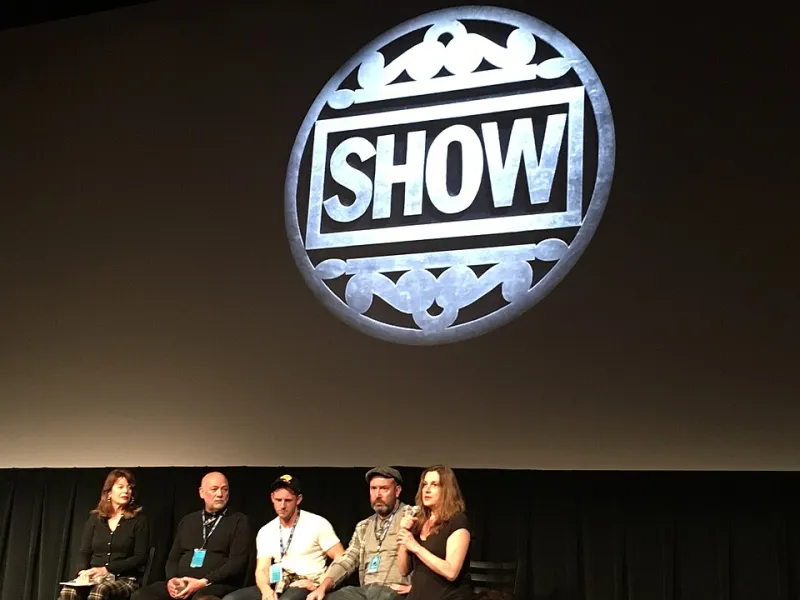
The credits roll, the lights come up, and suddenly the movie has a pulse in the room. A look at the festival Q&A as its own unruly art form — part performance, part pitch, part group therapy — and why the best ones feel like the film's second act.

Two Chairs, One Room, All the Drama You Need
Opinion

Two Chairs, One Room, All the Drama You Need

Forget the drone shots and the practical effects. The mightiest weapon in micro-budget cinema has always been two people in a room, talking. Here's why restraint might be the most cinematic choice you can make.

The Last Ten Seconds Are Killing Your Short Film
Opinion

The Last Ten Seconds Are Killing Your Short Film

Short films don't die at the start — they bleed out at the end. We talked to festival programmers and editors about the moment a film should have rolled credits, and why most filmmakers can't see it.

The Graveyard Shift Auteurs: Making Movies While America Sleeps
Craft & Technique

The Graveyard Shift Auteurs: Making Movies While America Sleeps

Between the last wave of the render bar and the first alarm of the morning, a whole cinema is being built. We talked to five filmmakers cutting, grading, and sound-designing their films in the margins of full-time jobs — and asked what it costs, and what it gives back.

Follow the Money: Where Every Dollar of a $400 Short Film Actually Went
Craft & Technique

Follow the Money: Where Every Dollar of a $400 Short Film Actually Went

We got our hands on the actual receipts from a micro-budget short that screened at three regional festivals, and traced every single dollar — from craft services to a 3 a.m. emergency Uber. The line items that mattered most weren't the ones anyone predicted.

The Barn, the Badge, the Lanyard Lifers: Confessions of a Festival Volunteer
Opinion

The Barn, the Badge, the Lanyard Lifers: Confessions of a Festival Volunteer

Twelve months, seven festivals, one converted Vermont barn, and enough lanyards to open a thrift store. What volunteering taught me about who actually holds independent cinema together — and why you should grab a scanner before somebody else does.

Painting in the Dark: The Freelance Colorists Giving Micro-Budget Films Their Glow
Craft & Technique

Painting in the Dark: The Freelance Colorists Giving Micro-Budget Films Their Glow

Three freelance colorists working out of spare rooms and converted garages open up about grading features made for less than a studio spends on craft services. Turns out a tiny budget isn't a limitation — it's a color palette all its own.

Ninety Seconds, No Safety Net: The Art of the Accidental Pitch
Craft & Technique

Ninety Seconds, No Safety Net: The Art of the Accidental Pitch

The most important screening of your film might happen in a festival bathroom line. We talked to programmers, producers, and one very lucky filmmaker about the whispered, sweaty, improvised pitch—and why 90 seconds is all you ever really get.