The Acetate Advantage: Why Micro-Budget Filmmakers Are Falling Back in Love with 16mm
On a Thursday night this October, the line for a shorts program at a microcinema in Minneapolis wrapped around the block. The draw wasn’t a viral TikTok star or a Sundance holdover. It was a reel of 16mm shorts, projected on a well-loved Elmo that smelled faintly of ozone and history.
In 2026, the conversation around micro-budget filmmaking is dominated by sensor size, bit depth, and the endless mirrorless arms race. But a small, stubborn network of directors, lab techs, and festival programmers is quietly betting on the opposite: actual film. Not 35mm — too expensive, too fussy. 16mm, the format that once powered industrial films, student thesis projects, and a thousand gritty documentaries, is finding new life in the hands of filmmakers who can’t afford to waste a single frame.
The Lab Is the New Hub
Processing a 400-foot roll of 16mm color negative runs about $80 to $120 at most US labs, depending on stock and turnaround. Add the cost of the stock itself — roughly $60 to $90 per roll — and you’re looking at a per-minute cost that would make a digital shooter blanch. But here’s the twist: because every second costs money, filmmakers shoot less. They rehearse more. They light for the shot they need and move on.
“People think film is expensive because they compare it to a free SD card,” says Marisol Vega, a lab technician at a small processing house outside Chicago. “But they forget the cost of endless post. With film, you get a built-in editing discipline. You can’t shoot forty hours of coverage. You shoot four hours. And you learn to love what you have.”
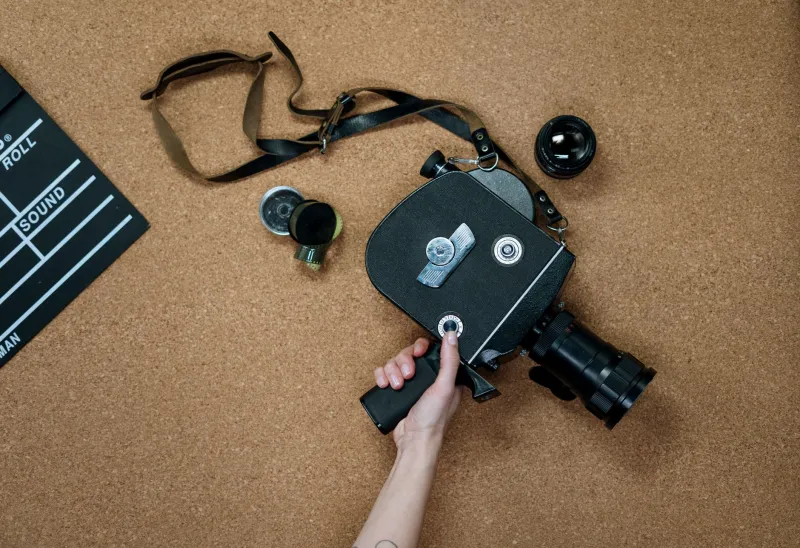
Vega has seen a noticeable uptick in short-film orders over the past two years — not from nostalgia-driven veterans, but from filmmakers in their twenties and thirties who grew up on DSLRs. “They come in with a Bolex they bought on eBay for $400 and a look in their eye,” she says. “They’re not trying to make a period piece. They’re trying to make something that feels alive.”
The Grain Does the Acting
When the camera is loud, when the magazine only holds four minutes, the set changes. Directors who have shot both digital and film describe a shift in performance energy — a focus that comes from knowing there is no safety net.
“You can’t do twenty takes,” says Brooklyn-based director Theo Marchetti, whose 11-minute short “Harbor Lights” was shot on expired 16mm stock and played three festivals this fall. “You do four. And the actors know it. There’s a pressure that turns into presence. Digital sometimes kills that with its endless coverage. Film makes everyone commit.”
That commitment extends to pacing. Film forces a slower rhythm — not because the camera is slow, but because the workflow is. You can’t chimp. You can’t instantly review. You have to trust what you felt in the room. “It’s terrifying and liberating,” Marchetti says. “You stop directing for the monitor and start directing for the moment.”
Projection Angst and Sold-Out Houses
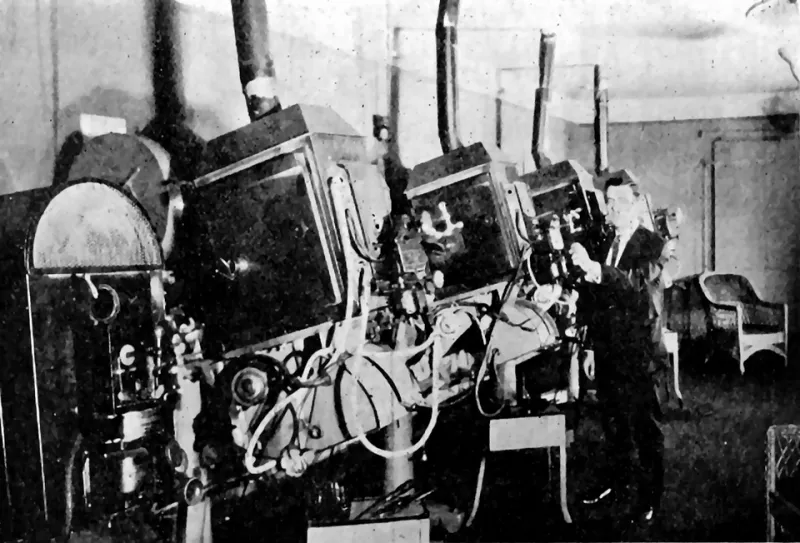
For festival programmers, 16mm is both a headache and a draw. Reels can jam. Prints get scratched. Dust is a constant enemy. But the audiences keep showing up.
“Our all-16mm shorts block sold out faster than anything else in the program,” says Priya Raman, programming director at a regional film festival in the Pacific Northwest. “There’s a tactile thrill to watching actual film run through a projector. People cheer when the reel changes. They stay for the credits because they want to see the light flicker.”
Raman admits that projection logistics require extra planning — a trained projectionist, backup reels, a willingness to embrace imperfection. “But that’s part of the charm,” she says. “A scratch on a digital file is a glitch. A scratch on a film print is a scar. It’s evidence of a life.”
The Slow Math
So is 16mm actually cheaper? For a micro-budget short, the answer can be yes — if you plan for it. A typical 10-minute narrative might require 12 to 15 minutes of finished footage. With a 4:1 shooting ratio, that’s roughly 50 minutes of film, or about 1,200 feet. Stock and processing: $500 to $700. A 2K scan: $200 to $300. Total: under $1,000.
Compare that to a digital shoot where you burn through hard drives, pay for a colorist’s week, and spend months in post trying to “fix it.” Film forces you to get it right on set. “We spent $800 on film and processing,” Marchetti says. “We spent $200 on the scan. Our colorist worked for two days. The whole thing was cheaper than the last digital short I made, because I didn’t have a terabyte of footage to wade through.”
Then there’s the gear. A working Bolex costs less than a mid-range mirrorless lens. A used Arri SR2 can be had for the price of a decent gimbal. And the community around film cameras — the repair techs, the rental houses, the forums — is small but fiercely generous.
A Small but Growing Movement
16mm isn’t for everyone. It’s slow. It’s risky. It requires a tolerance for dust and disappointment. But for a certain kind of micro-budget filmmaker in 2026, that’s exactly the point.
“We’re not trying to turn back the clock,” Vega says. “We’re trying to slow it down. There’s a difference.”
And in a world where every short film risks disappearing into an infinite scroll, slowing down might be the most radical thing you can do. The grain is the point. The scratches are the point. The sold-out houses, the whir of the projector, the collective gasp when a reel ends — that’s the point. 16mm is alive because it asks you to be present. And audiences, it turns out, are hungry for that.