The 2 A.M. Handoff: Why Your Short Film Belongs Between the Infomercial and the Dawn
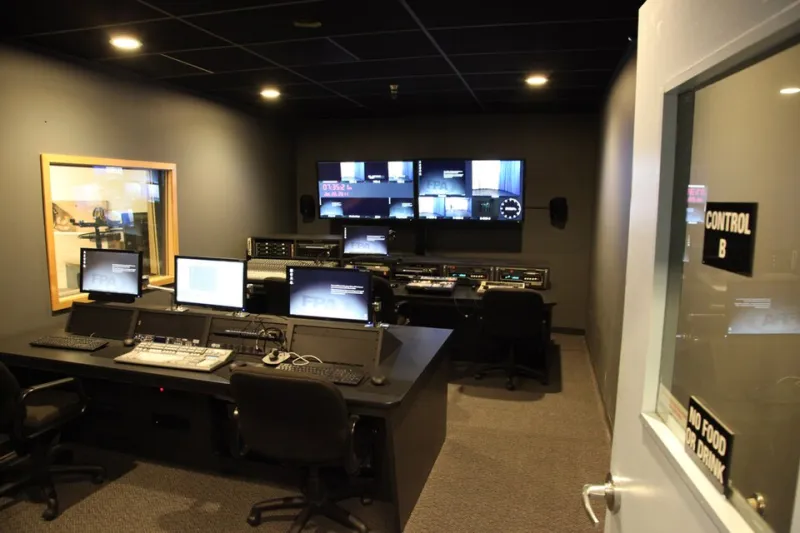
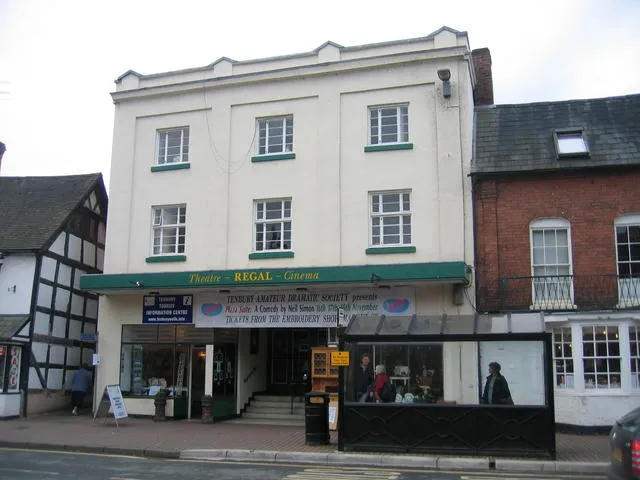
Photo: Daniel Olewine, CC BY-SA 3.0, via Wikimedia Commons
At 1:58 a.m. on a Tuesday, most of America is asleep or scrolling. But on a handful of local cable channels — the ones wedged between the county commission meeting and a rebroadcast of the school board — a short film is about to start. There's no thumbnail. No autoplay. No algorithm deciding whether the next viewer sticks around. There's just a station ID, a slate, and eighteen minutes of somebody's movie.
This is the 2 a.m. public access slot, and in 2026 it remains one of the last places where a short film can be broadcast — actually broadcast — to an audience that chose to be there. Not an audience that was served it. Not an audience that clicked a link because a friend posted it. An audience that set a DVR, or left the TV on, or woke up early and found it waiting.
That's not a consolation prize. That's appointment viewing. And for a certain kind of filmmaker, it's the most honest screening room in America.
The Slot That Refuses to Optimize
Public access television — PEG access, if you want the wonky term — has been part of the American media landscape since the 1970s and 1980s, when cable franchises were required to set aside channels for public, educational, and government use. Most people under forty know it as the place where weird stuff happens: the call-in shows, the local wrestling, the man who reviews tomatoes for an hour. What gets lost in the joke is that these stations still have airtime, still have audiences, and still have a mandate to fill their schedules with local voices.
In 2026, that means short films. Lots of them.
Stations in mid-sized cities and rural counties are running late-night blocks of independent work because they need programming and because the people who run these stations are, almost without exception, cinephiles who got into community media for a reason. They're not chasing ratings. They're filling a slot with something they believe in. That's a very different transaction than uploading to a platform that treats your film as inventory.
What Public Access Actually Wants From You
The good news is that the barrier to entry is low. The better news is that it's low for a reason: these stations are not gatekeepers in the festival sense. They're looking for finished work, clean audio, and a broadcast-ready file. They're not going to ask for a premiere status. They're not going to ask what your Instagram following looks like. They're going to ask if you have closed captions and whether the runtime fits the block.
Here's the practical play: find your local public access station by searching for your city or county plus 'PEG access' or 'community media center.' Most have a submissions page or a programming director you can email. Send a short, friendly note with a one-line synopsis, a runtime, a link to a screener, and a mention that you're local if you are. If you're not local, say why the station's audience might connect with the film anyway. These are small operations. A real email from a real person goes a long way.
The terms are usually simple: a non-exclusive broadcast license, often for a set period of time, often for no fee. Some stations will pay a small stipend. Most won't. Take the deal anyway. You're not selling your film. You're renting a piece of the airwaves.
The Terms You Should Ask For (and the Ones You Shouldn't)
Don't ask for money if the station doesn't offer it. Do ask for three things: a copy of the broadcast, a letter on station letterhead confirming the air date and time, and the station's estimated reach or subscriber count.
That second item is worth more than you think. A letter of confirmation from a public access station is a document that says your film was selected for broadcast by a real broadcaster. It's not a laurel, but it's not nothing. It's evidence of exhibition outside the festival bubble and outside the internet bubble.
You should also ask about the broadcast master. Most stations can work with a high-quality H.264 file, but some still want a specific format. Ask early. And if your film has captions, send them. If it doesn't, consider making them. The 2 a.m. audience includes people who watch with the sound low, and a captioned film is a more professional film.
A Broadcast Credit Is a Thumb on the Scale
Here's where the 2 a.m. slot punches above its weight class: festival applications and press kits. Programmers see thousands of submissions. They see the same streaming links and the same Vimeo passwords. What they don't see often is a line in a cover letter that reads, 'Broadcast on [Station Name], [City] public access, [Month Year].'
That line does something subtle. It signals that your film has a life beyond the link. It signals that someone with a transmitter, however small, decided your work was worth putting into the world. It doesn't replace a festival premiere, but it adds texture. It makes your film feel less like a file and more like a thing that happened.
Press kits benefit too. Local papers and niche blogs are more likely to write about a film that aired on a local station than one that exists only online. The hook writes itself: 'Local filmmaker's short to air on public access.' That's a story. 'Short film available on Vimeo' is not.
One Viewer, One DVR, One Real Screening
The dirty secret of the 2 a.m. slot is that you will probably never know exactly who watched. There's no dashboard. No real-time analytics. No comment section. There's just a station log and a hunch.
But here's what I've heard from filmmakers who've done it: the audience is small, and the audience is real. A retired teacher who records late-night blocks and watches them with coffee the next morning. A night-shift nurse who leaves the TV on. A teenager in a small town who is just starting to realize that movies can be strange and slow and made by people who aren't famous.
That's not a metric. That's a screening. And in a year when every platform is trying to predict what you'll watch next, there's something radical about a slot that asks you to show up at a specific time and watch a specific thing. The 2 a.m. handoff is counterprogramming the algorithm. It's appointment viewing for people who still believe that a broadcast is a kind of promise.
So send the email. Ask about the block. Send the file. Set your own DVR, just to see it happen. Your short film belongs between the infomercial and the dawn. It just doesn't know it yet.