The Late Block Is a Rite of Passage, Not a Dumping Ground
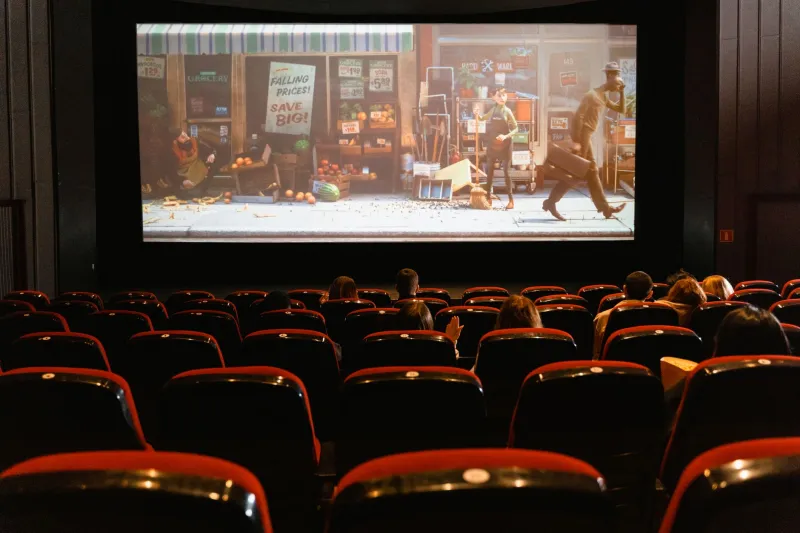
Every festival schedule has a room that feels like a secret. It’s the one you pass on the way to the parking garage, the one with the flickering lobby sign and the volunteer who has clearly been standing there since the afternoon. The screening starts at 9:47 PM on a Tuesday. The feature has already had its premiere. The parties are already thinning out. And the short playing in that room is probably the weirdest thing in the entire program.
That slot has a reputation problem. Filmmakers see it and assume they’ve been quietly demoted. Programmers call it “after hours” or “late night” and hope nobody asks too many questions. Audiences see a start time that competes with sleep and decide they’ll catch it next time, except there is no next time, because the festival ends on Sunday and the film disappears into the long tail of Vimeo links and forgotten laurels.
But here’s the thing: the late block is not a punishment. It’s a different room with a different contract. And for the right kind of short, it can be the best audience you’ll ever get.
The Audience at 9:47 Is Different—and Better
By the time the late block begins, the festival has shed its obligations. The people in the room are not there because a publicist told them to be. They are not there to be seen. They are not there to network over a warm white wine. They are there because they looked at a schedule, ignored the sensible option, and chose the strange one.
That self-selection matters. A late-night crowd is exhausted, adventurous, and unusually honest. They’ve already sat through three features and a panel. Their defenses are down. They laugh at things the 6 PM crowd would politely ignore. They lean forward when a film takes a risk. They don’t check their phones as often, because they’ve already committed to being out past their bedtime. There is a strange intimacy in a room full of people who have decided to stay.
This is not the audience that gasps at a familiar actor or applauds a recognizable location. This is the audience that notices when a cut lands wrong, when a sound design choice is doing heavy lifting, when a performance is operating on a frequency that doesn’t announce itself. They are tired enough to stop performing attention and start actually paying it.
At a festival in Austin or Brooklyn or Los Angeles, the late block often becomes the place where the real conversations happen. Not the red-carpet conversations. The ones that start in the hallway after midnight, when someone says, “I don’t know what that was, but I can’t stop thinking about it.” That’s not a consolation prize. That’s the whole point.
Why the Oddballs Land Late
There’s a practical reason weird shorts get scheduled after 9 PM: festivals build their prime slots around films that can be marketed, summarized, and sold. A short with a clear logline and a recognizable cast can anchor a 7 PM block. A short that opens with a six-minute static shot of a parking lot and a monologue about municipal zoning cannot. That doesn’t make it worse. It makes it harder to explain.
Programmers know this. They also know that late blocks have a different tolerance for ambiguity. A 10 PM audience is more willing to meet a film halfway. They’ve already accepted that they’re not watching a teaser for a future feature. They’re watching the thing itself.
But too often, festivals treat that tolerance as an excuse to dump. The late block becomes a holding pen for the abrasive, the experimental, the formally restless, the short that refuses to announce its intentions in the first eight seconds. That’s not programming. That’s triage. And it sells both the films and the audience short.
If You Get the Late Slot, Lean In
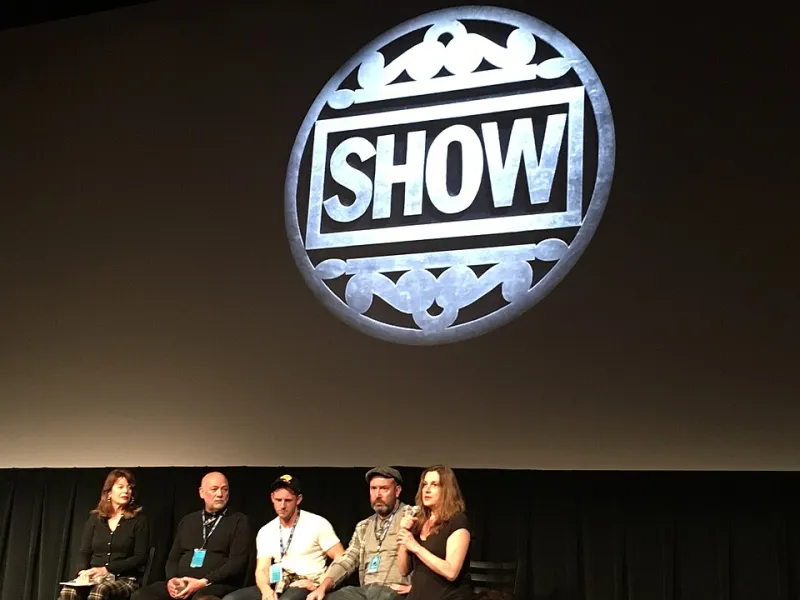
First, stop apologizing. The worst thing you can do in a late block Q&A is open with “I know it’s late” or “Thanks for staying.” It turns a screening into a favor. It tells the room they’re tired instead of reminding them they’re lucky. You’re not keeping them hostage. You’re offering them something they can’t get at 6 PM.
Second, check the room early. Late slots are more vulnerable to technical gremlins—the projector that’s been running since noon, the sound system that has lost a channel, the volunteer who has never touched the lighting board. If you can, watch a few minutes of the previous block. Listen to how the room sounds. Make friends with the projectionist. A late screening can be ruined by a small technical failure that nobody has the energy to fix.
Third, recruit your own audience. Twenty people who actively want to be there will outshine a hundred who wandered in. Send a direct message to the cinephiles you know. Invite the local film collective. Bring stickers, a zine, a QR code to a playlist. Make the screening feel like an event rather than a leftover.
Fourth, give the audience a contract. A brief introduction that says, “This one is strange. It’s going to take a minute. Stay with it.” That’s not a spoiler. It’s a handshake. Late crowds are generous when they know what they’re signing up for.
Finally, treat the Q&A as a conversation, not a defense. The late block attracts people who want to talk about craft, not just content. Ask them what they noticed. Let the weirdness breathe. The best late-night Q&As don’t resolve the film. They extend it.
Festivals: Stop Calling It Filler
If a film is good enough to be in your festival, it’s good enough for a real introduction. Don’t just put the oddball shorts in a room and hope the audience finds them. Pair them with intention. Give the block a host. Print a program note that treats the films as a coherent experience rather than a random assortment. Call it what it is: the after-hours program, the risk block, the room where the festival’s taste gets to stretch.
The late block is not where films go to die. It’s where they go to find the people who will actually remember them. That isn’t a downgrade. It’s a rite of passage. And for a certain kind of short—the strange, the abrasive, the formally alive—it might be the best slot in the house.
That’s the Happening ideal, really: independent cinema comes alive when the room is small, the hour is late, and the audience has nowhere else to be.