Amp and Projector: The DIY Night That Puts Your Short in Front of a Bar Crowd
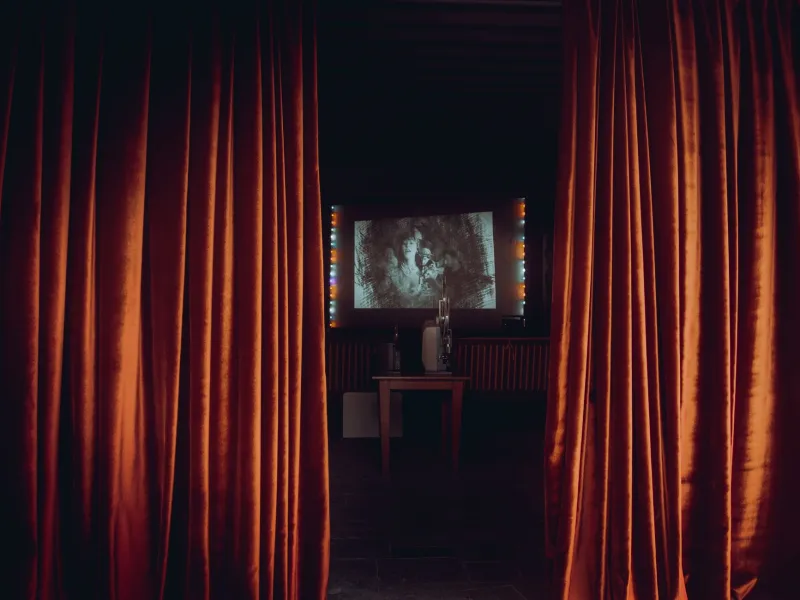
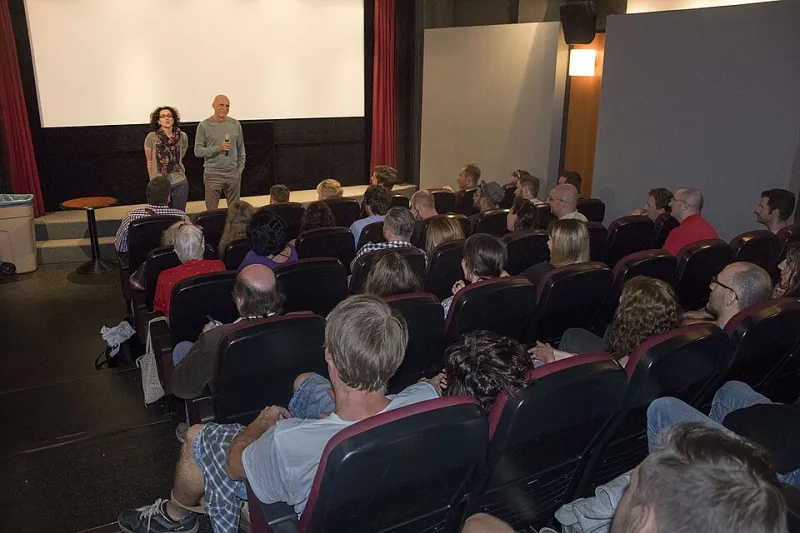
There is a particular kind of magic in a room that was not built for movies. A bar with a sticky floor. A record store with racks pushed against the wall. A rented hall with bad overhead lighting and one good outlet. You set up a projector, a band sets up an amp, and for one night the room becomes a double feature nobody thought to book.
In 2026, as micro-cinemas get choosier and festival slots get tighter, the short-film-plus-local-band bill is still an underrated way to put your work in front of people who did not come for film. They came for the band. They stayed for the short. And if you build the night right, they come back for both.
The Bar Crowd Is Not the Enemy
Cinephiles are great. They sit still, they watch credits, they argue about aspect ratios on the sidewalk afterward. But a bar crowd brings something a traditional screening often lacks: loose, curious, low-stakes attention. They are already practiced at looking at a stage. They are used to imperfect sound. They are there to be in a room with other people.
A short film is a perfect guest in that room. You are not asking for a feature-length commitment. You are asking for seven minutes before the headliner. That is a small ask with a big payoff: an audience that did not know your film existed now knows your name.
Build the Bill Like a Setlist
Do not just cram a short between two bands and hope. Sequence the night with intention. Open with something short, visual, and light on dialogue: four to six minutes, strong images, a clear hook. Let the first band play a 25-minute set. Then bring the room back with a slightly longer narrative short, maybe eight to twelve minutes, something with a pulse and a payoff. Close with the second band.
Keep the transitions tight. A five-minute projector reset can kill the room. Cue your film before the band finishes. Have your laptop awake, your files on the desktop, and your playback tested. If you need a Q&A, make it short and put it after the final band, not between sets. The night is a bill, not a panel.
The Split That Keeps Everyone Paid
Money is where these nights usually fall apart. Fix that early. Decide the door price together: eight to twelve dollars is common in smaller US rooms. Agree on what comes off the top first: venue fee, sound person, projection rental if you are renting a projector. Then split the remainder. Be transparent. Put the numbers on a shared note before the show, not after.
If there is no money, trade something real. The band gets live footage for their socials. The filmmaker gets a few minutes onstage to introduce the short. The venue gets bar sales and a new crowd. The point is not to get rich. The point is to prove the night works so everyone says yes to the next one.
Sound Is the Whole Ballgame
Live music and film sound do not naturally get along. A projector speaker is not enough. Run your film through the house PA, and bring the right cable: a headphone-to-DI setup, a backup adapter, and a laptop with the volume already tested. Ask the band to clear the stage during your short. Not because they are the problem, but because idle amps hum and cymbals ring.
If the room is loud, use captions. Burned-in subtitles or a projected caption file are not a compromise; they are craft. A bar crowd will miss dialogue. Give them a way in anyway. Test the audio from the back of the room, not from the projector. If you cannot hear the quietest line, neither can the people holding beers.
Sightlines for People Standing Up
Most bars are not theaters. That is fine. You just have to solve for it. Bring a screen or a clean white wall, gaff tape, and an extension cord. Keep the screen away from windows, doorway traffic, and the bar line. Test the image from the back of the room with the house lights at show level. If the projector is dim, shrink the image. A smaller bright picture beats a big muddy one.
Start the film when the room settles, not when the clock says so. A short that begins while people are still ordering drinks is a short that begins in chaos. Give the room one clear cue: house lights down, projector up, go.
Make It Repeatable
A one-off night is fun. A repeatable night is infrastructure. Give it a name. Make a poster with a local artist. Collect emails at the door with a QR code. Take photos of the room, not just the stage. Ask the venue for the next date before you leave. Rotate bands, rotate shorts, keep the format familiar.
The goal is a micro-audience: forty people who trust you enough to show up on a Tuesday. That is worth more than a hundred strangers who came once for a festival badge. And in 2026, when everyone is fighting for attention on a screen, a room full of people watching a short film before a local band is still a radical act.
The Ask
Approach the venue with a package, not a plea. Bring a date, a lineup, a simple budget, and a projection plan. Tell the band what they get. Tell the bar what they get. Then show up early, test everything twice, and make the night feel intentional. The double bill nobody is booking might be the one your neighborhood actually needs.