Follow the Money: Where Every Dollar of a $400 Short Film Actually Went
Every filmmaker talks about their budget like it's a war story. "We shot it for less than your phone bill." "We made it on vibes and granola bars." The numbers get mythologized until nobody knows what they actually mean.
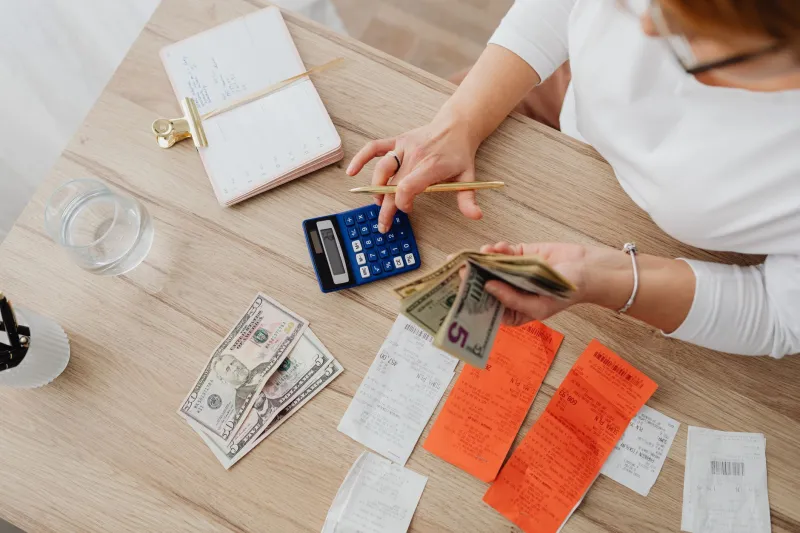
So when the two-person team behind Saltwater Static — a nine-minute short that's played three regional festivals this year — offered to show us their real, itemized budget, we said yes immediately. Total production spend: $412.63. Here's where it went, and what the money actually bought.
The Receipts, Line by Line
Lens rental: $95. Their single biggest expense, and the one they'd defend hardest. A weekend rental of a vintage Canon FD 50mm f/1.2 gave the film its soft, breathing close-ups — the look that got programmer attention in the first place. "People assume the look came from grading," director Maren Okafor told us. "It came from a piece of glass older than I am."
Craft services (a generous term): $61.40. Costco runs, a case of sparkling water, cold brew concentrate, and a bag of the good oranges. Two shoot days, five people. It sounds trivial until you remember that a fed crew is a patient crew, and a patient crew tolerates the 14th take.
Location fee: $50. A diner in Pawtucket, Rhode Island, whose owner said yes to coffee and a thank-you card. Okafor insists the $50 was for "a pie we never ate." The real payment was a promised credit and an invitation to the premiere.
Hard drives and media: $48.99. One 1TB SSD, bought new, because the film's existence lives or dies on redundant storage. This is the least glamorous purchase and the least negotiable one.
Gas and tolls: $37.20. The shoot spanned three towns. Nobody accounts for this until they're standing at a toll booth with a van full of equipment.
The emergency Uber: $31.85. At 2:47 a.m. on night two, their sound recordist left his recorder — with the only usable audio of the day — at the location. The Uber retrieved it. This line item didn't exist in the budget. It exists now, and it has a name: "THE UBER."
Props and set dressing: $28. A vintage radio, mismatched mugs, and a fishing license bought at a bait shop because the art department couldn't fake the paper texture.
Expendables: $22.19. Gaffer tape, batteries, a roll of duvetyne. The stuff that quietly holds everything together.
Festival submission fees, later: $38. Three submissions at early-bird rates. Technically post-production, but the budget doesn't respect those boundaries.
What the Money Couldn't Buy
Here's the part that won't show up in a spreadsheet: the camera was borrowed. The lights were borrowed. The colorist did it free in exchange for a testimonial and the promise of a paid gig down the road. The composer was a roommate. If you priced this film at market rates, it's a $9,000 movie made for $412.63.
That's not a loophole. That's the actual economics of independent film in America right now. Money doesn't buy your short — it buys optionality. The lens rental bought a look they couldn't fake. The Uber bought back a day of audio. The pie bought goodwill.
The Three Expenses That Mattered Most
When we asked Okafor and producer Dev Sandoval to rank their spending by actual impact, the answers surprised us. First: the SSD. "No drive, no movie. It's the least cinematic thing we bought." Second: the lens — the one indulgence that shaped every frame. Third: craft services. "A $12 bag of oranges kept a gaffer from quitting at hour nine. I will die on this hill."
The lesson isn't "make a movie for $400." It's that micro-budget filmmaking is a negotiation between money and everything else — favors, time, luck, friendship. The spreadsheet just tells you where the money's leverage ended and the hustle began.
If you're budgeting your first short, steal the structure: protect your media, spend on the one craft element that defines your image, feed your people, and leave $30 unaccounted for. Something will happen at 3 a.m. It always does.