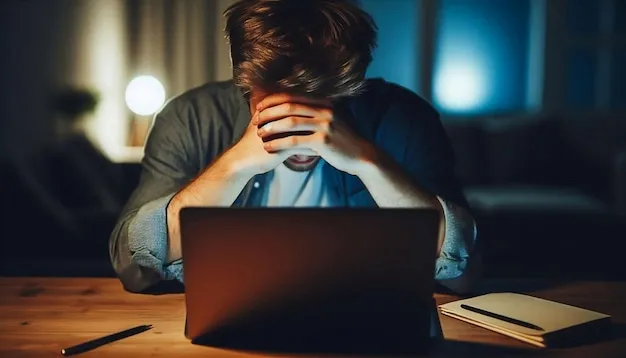
Before You Blink: Inside the Race to Win Audiences in the First Ten Seconds
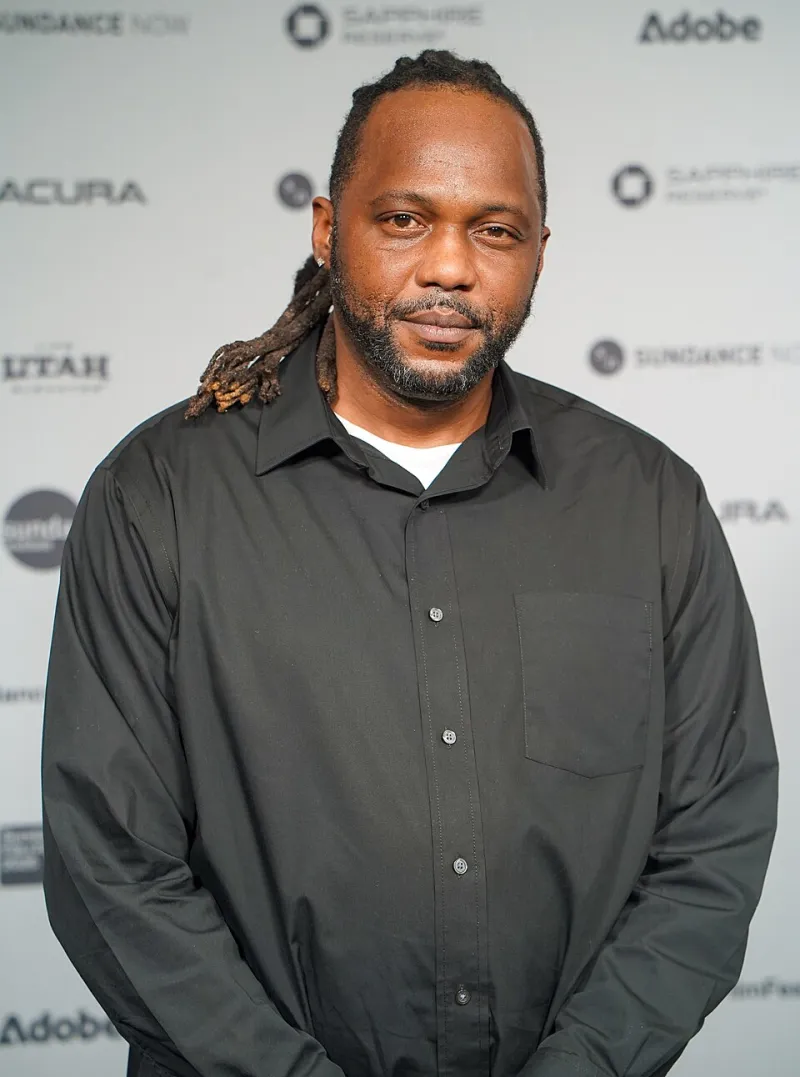
Photo: LaShawnda Jones, CC BY-SA 4.0, via Wikimedia Commons
There's a particular kind of silence at a short film block. The lights go down, the festival crowd settles, and somewhere in that darkened theater, a collective, unspoken contract forms: impress me, and do it now.
Unlike a feature — which gets a leisurely twenty minutes to build its world — a short film has roughly the lifespan of a text message before a viewer decides whether to lean in or check their phone. And increasingly, filmmakers know it.
The Ten-Second Clock Is Ticking
"When I'm cutting a short, I assume the audience is already halfway out the door," says Maya Chen, a Los Angeles-based editor who's worked on more than two dozen festival shorts. "My job isn't to earn their attention. It's to steal it before they know what happened."
Chen describes a rule she learned the hard way: the first ten seconds should contain at least one unanswered question. Not a plot question, necessarily — a visual one. A hand gripping a doorknob. A face lit from below. Something that makes the eye demand resolution.
"Features can open on a landscape," she laughs. "Shorts open on a wound."
Why Shorts Are the Gymnasium of Visual Storytelling
Ask working directors where they sharpened their instincts, and most will point to the short form. There's no fat to hide behind in six minutes. Every frame has to justify its existence.
Portland filmmaker Deshawn Ellis, whose noir-tinged short Static Bloom played the shorts competition at several regional festivals last year, puts it bluntly: "In a feature, you can bury a weak opening under two hours of momentum. In a short, a flabby first shot is a confession. The form punishes you for not knowing what your film is about."
That pressure, many argue, is exactly what makes shorts such fertile training grounds. Sundance programmers have long noted that directors who came up through shorts often exhibit a economy and confidence in their features — a kind of visual fluency you can't fake.
Anatomy of an Instant Hook
So what does a great opening look like in practice? Across the festival standouts of recent seasons, a few patterns emerge:
In medias res, always. The strongest shorts drop us into a moment already in motion — an argument at its peak, a getaway underway, a secret mid-confession. Establishing shots are for people with time to spare.
Sound before image. A surprising number of acclaimed shorts open on black with audio — a phone buzzing, breathing, a door creaking — priming the ear before engaging the eye. It's a trick borrowed from radio drama that reads as deeply modern on a festival screen.
The withholding. Show the reaction, not the action. A woman's face as she reads a letter tells us more in three seconds than the letter's contents ever could. Editors call this "the delayed reveal," and it's become the short form's signature move.
A single, strange detail. A birthday cake in a funeral home. A dog wearing a raincoat at midnight. One incongruous image in the opening frames signals to a savvy audience: this film sees the world a little sideways. Stay with me.
The Streaming Effect
Some of this urgency is cultural. Filmmakers came of age on platforms where the skip button is always one twitch away. Rather than mourning that reality, a generation of short directors has weaponized it.
"TikTok didn't ruin attention spans," Chen argues. "It revealed who actually had control of their craft. The films that hook you in ten seconds and hold you for ten minutes? That's not luck. That's architecture."
Ellis agrees, with a caveat: "The hook gets them in the door. But if you only have a hook, you've got a trailer, not a film. The best shorts grab you in ten seconds and then spend the next ten earning it."
The Proving Ground
There's a reason festival programmers often describe a great short as a "calling card." It demonstrates — in miniature, under maximum pressure — everything a director needs to make a feature: command of tone, economy of image, and above all, respect for the audience's time.
The next time you're at a shorts block and a film grabs you before you've even found your seat's armrest, notice it. That's not an accident. Somewhere in an edit bay, someone counted those first ten seconds frame by frame, knowing that in independent cinema, you never get a second chance to make a first impression — and wouldn't want one anyway.
The short form doesn't just survive that pressure. It was born for it.