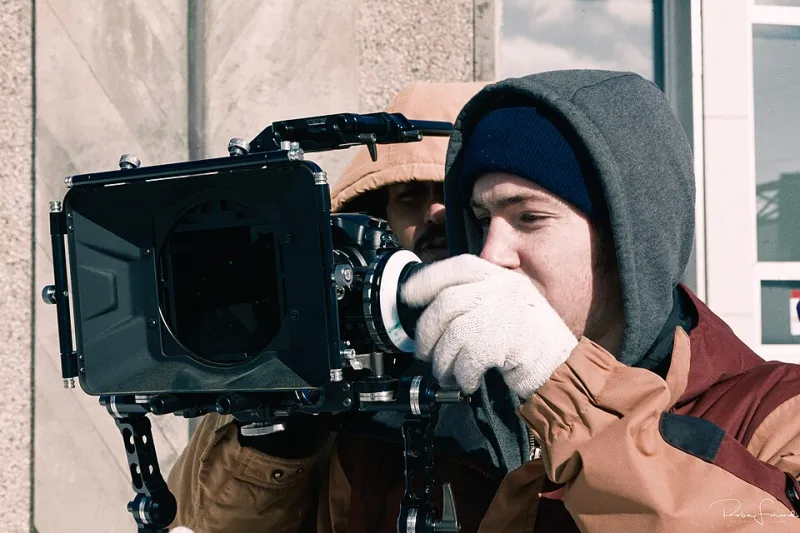
Your Short Isn't Dead, It's Dormant: A Practical Guide to the Second Life
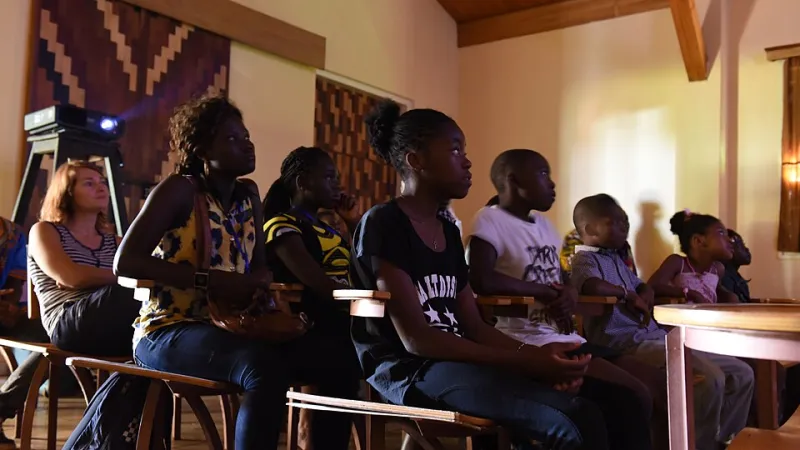
Photo: U.S. Institute of Peace, CC BY 2.0, via Wikimedia Commons
Every short filmmaker knows the arithmetic. You spend a year making a fifteen-minute film. You submit to forty festivals. You get into three. The three happen. Then, sometime around month fourteen, the inbox goes quiet and the film effectively — what? Retires?
It doesn't have to. Talk to filmmakers whose shorts found real audiences, and a pattern emerges: the festival circuit is the hottest, shortest window, but it's nowhere near the only one. What follows is a practical map of the afterlife — gathered from people who've walked it.
Step One: Reframe the Timeline
The first mental shift costs nothing. A short's festival window is roughly 12–24 months from first submission. But community screenings, library circulation, and classroom use can run for decades. A documentary short about a rural fire department will still be relevant when the festival that rejected it has changed directors twice.
Stop thinking of the premiere as the finish line. It's the opening weekend of a very long run.
Step Two: Get Into the Library System
This is the most underused move in independent film. US public libraries license films for public performance and circulation, and many acquire shorts directly from filmmakers — especially through distributors like Kanopy, which partners with libraries to stream independent and festival titles to cardholders.
The playbook:
- Check distributor requirements. Some library platforms want festival selections; some don't. Read the fine print before submitting.
- Prepare deliverables now. Clean DCP, ProRes master, closed captions, a poster, a synopsis, and a director bio. Libraries and platforms move slowly; having a complete package ready keeps you in the pipeline.
- Offer a screening license directly. Smaller library systems often run film programs on shoestring budgets. A modest flat fee for a one-time public screening can be a win for both sides — and it's income that doesn't depend on a programmer's taste at 2 a.m. in Park City.
Step Three: Court the Classroom
Educational licensing is a quiet, durable revenue stream. A short about immigration, climate, disability, labor, or local history can live for years in high school social studies classes and university seminars.
Filmmakers who've done it recommend targeting the subject, not the medium. Don't pitch film departments exclusively — pitch the topic. A seven-minute doc about a Detroit autoworker belongs in labor history curricula, not just cinema studies. New Day Films and similar educational distributors handle this, or you can negotiate licenses yourself for smaller institutions.
Step Four: Run Your Own Tour
If nobody will book you, book yourself. This is less romantic and more doable than it sounds:
- Start with affinity venues, not theaters. Churches, union halls, community centers, breweries with back rooms, campus clubs. A short about veterans screens better at a VFW post than at an arthouse.
- Bundle the program. Nobody drives forty minutes for one short. Pair yours with two or three compatible films from filmmaker friends — you screen theirs, they screen yours.
- Charge for the cause, not the film. A suggested donation tied to a local nonprofit gets you a room, goodwill, and a press hook.
- Document everything. Photos, attendance counts, audience quotes. This becomes proof of audience for the next round of licensing and grant applications.
Step Five: Let It Age Into Relevance
One filmmaker I spoke with premiered a short in 2019, saw the circuit collapse, and shelved it. Two years later, a news cycle made its subject suddenly urgent, and it screened at eleven community events in six months. Films have shelf lives the way wine has vintages — sometimes the world catches up to what you made.
Keep the film findable: an updated website, a working contact email (not the one from your old job), and a willingness to say yes when someone asks.
The Long Game
The festival rejection stings because it feels like a verdict. It isn't. It's a routing decision — one path among many. The shorts that endure aren't the ones that premiered loudest. They're the ones whose makers kept showing up, room by room, license by license, long after the laurels stopped arriving.
Your film kept living. Make sure you're still letting it.